On May 24, 2022, 18-year-old Salvador Ramos, a former student at Robb Elementary School in Uvalde, Texas, shot and killed 19 students and 2 teachers, injuring others. This tragic event became Texas’ deadliest school shooting. It led to many protests over gun control laws and gun violence, which is part of an ongoing debate about changes that could prevent future shootings. During the attack, the police were criticized for their delayed response, with many questions asking why it took so long to stop the shooter. Caitlyne Gonzales, who lost her best friend Jackie Cazares, protested many times to push for changes in gun laws. While her pleas were heard, the laws unfortunately remained the same.
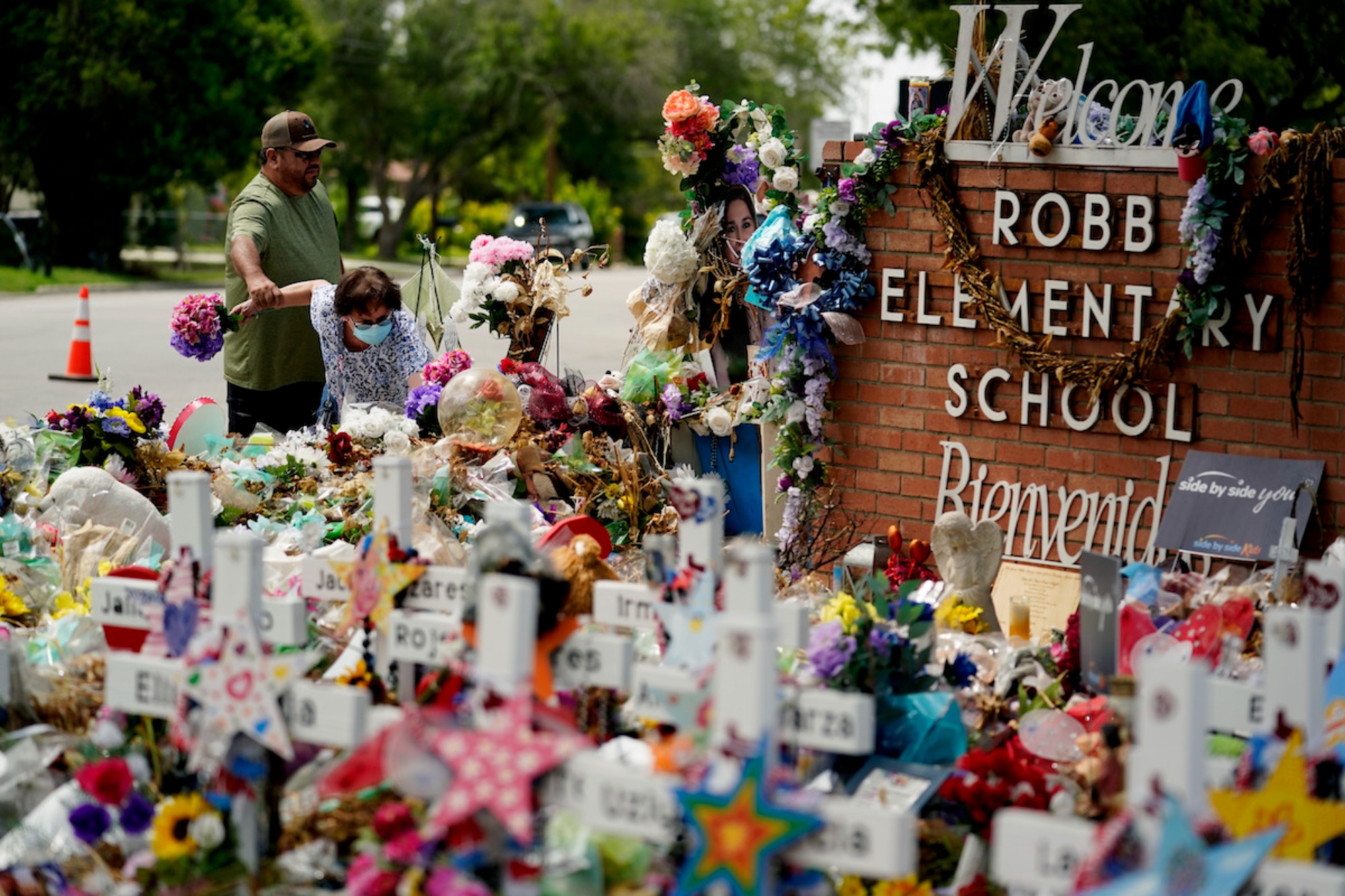
The Uvalde shooting is just one part of the larger pattern of gun violence in the United States. For example, in September 2024, at Apalachee High School in Barrow County, Georgia, Colt Gray shot 11 people, killing 2 students and 2 teachers. This event hit close to home for me, as I work in a neighboring county, and many of my coworkers either attended the school or had children present during the incident. According to statistics from 1997 to 2022, there were 1,453 school shootings in the U.S., with the country experiencing 57 times more incidents than all other major industrialized nations combined. Additionally, in 2019, gun injuries became the leading cause of death among children (Rapa, Katsiyannis, Scott, & Durham, 2024).
The Uvalde shooting sparked a push for changes in gun laws, specifically raising the minimum age to purchase firearms from 18 to 21. Many protesters, like Caitlyne Gonzales and other families who had been impacted by gun violence, fought for the age limit to be raised. They believed this change could lead to less gun violence and rallied at the state capitol multiple times to make their voices heard. However, in the end, it was decided that 18 is the legal age to buy a gun in the United States, and that raising the age wouldn’t necessarily solve the problem of gun violence. In the video After Uvalde: Guns, Grief & Texas Politics (Frontline, 2022), Democrats introduced two bills to raise the legal age for buying certain weapons like the AR-15, but Republicans opposed the bills, arguing that it would infringe on Second Amendment rights (22:35).
One reform that could help reduce gun violence is requiring background checks for all firearm purchases. The Brady Handgun Violence Prevention Act (Brady Bill) of 1993 was passed to make sure that buyers go through a federal background check (Alvarez & Bachman, 2023). However, it only applied to purchases from licensed dealers. If background checks were required for all types of gun sales—whether from private sellers or gun shops—it could help close gaps and reduce gun violence. Another reform is mental health screenings. In 2014, the National Instant Criminal Background Check System (NICS) approved 98% of gun sales, but about 3,600 purchases were denied due to mental health concerns (Rozel & Mulvey, 2017). Adding mental health screenings to the gun purchasing process could prevent people with serious mental health issues from buying firearms.
In conclusion, gun violence continues to be a major concern, especially for those under the age of 21 and individuals struggling with mental health issues. If these changes were implemented, there could be a reduction in gun violence, particularly in schools, as seen with the tragedy in Uvalde, leading to better control. However, with policyholders opposing these changes due to concerns over the Second Amendment, it becomes harder to address the devastating losses from such senseless actions.
References:
Alvarez, A. & Bachman, R. D. (2023). Violence: The Enduring Problem. 5th Edition. SAGE Publications.
Frontline. (2022). After Uvalde: Guns, grief & Texas politics [Video]. PBS. https://www.pbs.org/wgbh/frontline/film/after-uvalde-guns-grief-texas-politics/
Rapa, L. J., Katsiyannis, A., Scott, S. N., & Durham, O. (2024). School shootings in the United States: 1997–2022. Pediatrics, 153(4), e2023064311. https://doi.org/10.1542/peds.2023-064311
Rozel, J. S., & Mulvey, E. P. (2017). The link between mental illness and firearm violence: Implications for social policy and clinical practice. Annual Review of Clinical Psychology, 13, 445-469. https://doi.org/10.1146/annurev-clinpsy-021815-093459
 Biana's Crime Report Analysi
Leave a comment