Black Lives Matter (BLM) has been viewed from two different angles, depending on who you ask, but there is one main point the movement is trying to make. The way it is described in the media often changes how people understand that message. It is often surrounded by ideas of violence and racial tension. Black Lives Matter is a protest group that was intended to be peaceful and to bring awareness to issues affecting the Black community, especially when it comes to intense law enforcement situations involving shootings and senseless killings. The purpose of the movement is not violence, but the way it is shown in the media can make it seem like that is what it represents.
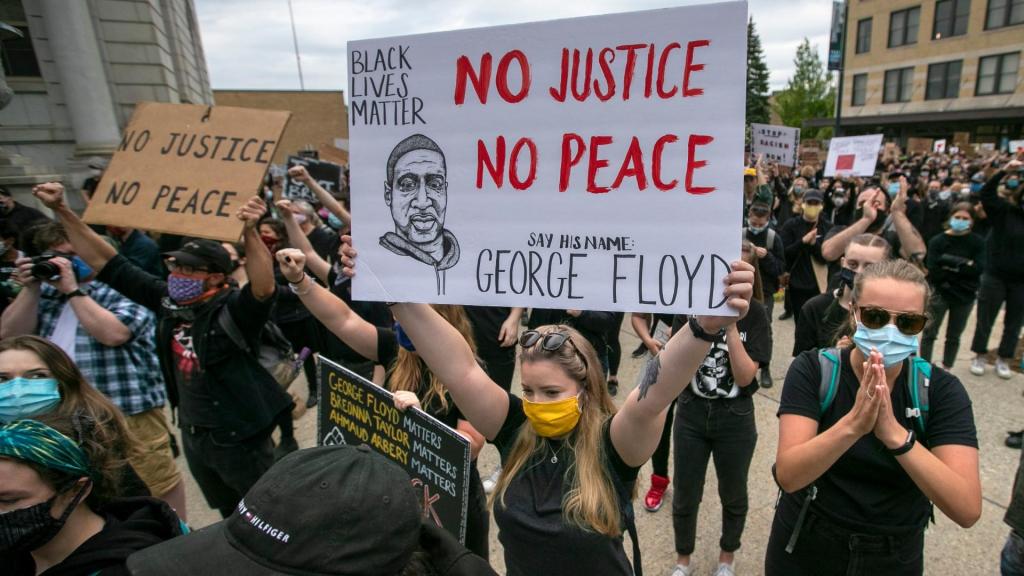
Black Lives Matter is meant to be heard from communities that have lost individuals due to law enforcement actions. One of the most well-known cases is the George Floyd protests, where George Floyd lost his life during an altercation with police in Minnesota. However, he is not the only case. Incidents involving Breonna Taylor and Tamir Rice also brought attention to similar concerns. The movement itself goes back to 2013 after the death of Trayvon Martin, which sparked national attention and conversations about unfair treatment and injustice. Since then, these types of protests have continued and are still happening today.
Even though many of these protests are intended to be peaceful, they are often portrayed differently across media sources. Some media outlets focus on the message behind the protest and the reason people are speaking out. Others focus more on the violence, arrests, and damage that may happen in certain areas. For example, some mainstream outlets such as CNN described many of the protests as largely peaceful and focused on the message behind the movement, while other outlets such as Fox News placed more attention on looting, violence, and damage. Because of this, the same event can be described in different ways, such as a protest, riot, or even an uprising. This shows how media framing can change how people understand what is really going on.
This connects to labeling theory, which explains that the labels placed on a group can influence how others see them (Alvarez & Bachman, 2023). When people involved in BLM are labeled as rioters, it can make them seem like criminals instead of individuals trying to bring awareness to serious issues. On the other hand, when they are called protesters, it gives a different meaning and can make their actions seem more justified. The label itself can shape public opinion without changing the actual situation.
Framing theory also plays a role because the media chooses what to highlight. If the focus is mainly on violence or destruction, then that becomes what people remember, even if that was not the main purpose of the protest. If the focus is on the message and the reasons behind the protest, people may view it in a more understanding way. Research from the Pew Research Center found that about 67% of Americans supported the Black Lives Matter movement during the height of the 2020 protests, indicating that many people understood and agreed with its message, even though media coverage often focused on negative aspects (Parker et al., 2020).
These different views can also affect how law enforcement responds. Protests that are seen as violent may lead to more aggressive police actions, including arrests and the use of force. Protests that are seen as peaceful may not be handled the same way. Public opinion also plays a role, as people’s views on the protest can influence support for certain policies and actions.
Overall, Black Lives Matter is a movement that aims to raise awareness of real issues, but how it is presented can shape how people view it. The difference between calling something a protest or a riot is not just a matter of wording. It can affect how people react and how the criminal justice system responds. This shows how important language and media framing are in shaping public perception of crowd events (Alvarez & Bachman, 2023).
References
Alvarez, A., & Bachman, R. D. (2023). Violence: The enduring problem (5th ed.). SAGE Publications.
Parker, K., Horowitz, J. M., & Anderson, M. (2020). Amid protests, majorities across racial and ethnic groups express support for the Black Lives Matter movement. Pew Research Center. https://www.pewresearch.org/internet/2020/06/12/amid-protests-majorities-across-racial-and-ethnic-groups-express-support-for-the-black-lives-matter-movement/


Leave a Reply