When it comes to serial killers and mass murderers, I usually do not dig deeply into their stories because they are constantly broadcast across different news channels, newspapers, and especially social media, and it can be hard to tell what is actually factual. There are so many opinions and perspectives that it becomes overwhelming at times. I would rather watch a movie about serial killers because I am not really a documentary person. Documentaries are boring if you ask me, and they usually include different scenarios from different stories combined into one. Recently, Netflix released a series on Jeffrey Dahmer, someone I had never heard of before, although I first saw people talking about it on Facebook. I tried to watch it, but I could not get past all the disturbing things he experienced growing up, as well as what he did later in life. Honestly, I was scared to continue watching.
Jeffrey Dahmer is portrayed throughout the media as having a troubled childhood that stemmed into struggles with abandonment, social isolation, and difficulty forming relationships. In the Netflix series, Jeffrey Dahmer is described in ways that present him as a violent person whose childhood was affected by family trauma. Having such a troubled childhood is often used to justify why Dahmer may have shifted toward violence as a way to escape his family situation.
Empirical research argues that many of the things we believe about serial killers come from the media and what is presented to us as the truth about what all serial killers are like. In fact, according to Fox and Levin (1999), there are many myths about what serial killers are and how they are portrayed. Fox and Levin state that there are common myths that serial killers are different from everyone else, that they are insane, and that their behavior comes from childhood trauma. However, research suggests that many serial killers appear ordinary and act normal, and that childhood trauma alone cannot pinpoint the cause of their violent behavior. The research at hand counteracts what the media feeds us to believe about how serial killers are shaped and what they want us to believe.
The media is not always completely wrong when they cover serial killers because they usually show that serial killers are dangerous to the community and cause severe harm to people. However, the media can label serial killers as monsters and create panic and then shift the focus and overlook signs of danger that were already there. Research shows that violence tends to develop over time and follow identifiable patterns rather than appearing randomly (Alvarez & Bachman, 2023). This focus on extreme cases can distract from more common forms of violence that affect everyday people and take attention away from prevention and early warning signs.
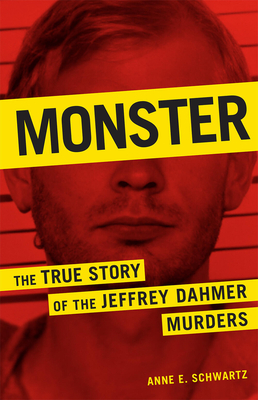
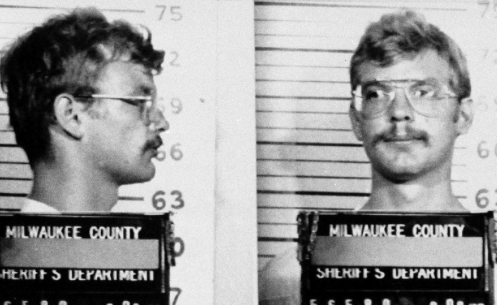
In conclusion, true crime media can shape how society understands what a serial killer is and the violence behind the person. In the example of Jeffrey Dahmer, the media labeled him with many myths about his violent behavior but was not always able to fully back these claims with empirical research. We now know that serial killers do not randomly attack, but that their violence is built up over time and often follows patterns. When the media portrays serial killers in sensational ways, the public can go into panic mode, leading to fear and major misunderstandings about who is behind violent crime.
References:
Fox, J. A., & Levin, J. (1999). Serial murder: Popular myths and empirical realities. In M. D. Smith & M. A. Zahn (Eds.), Homicide: A sourcebook of social research (pp. 165–175). Sage Publications.
Alvarez, A., & Bachman, R. (2023). Violence: The enduring problem (5th ed.). Sage Publications.


Leave a Reply